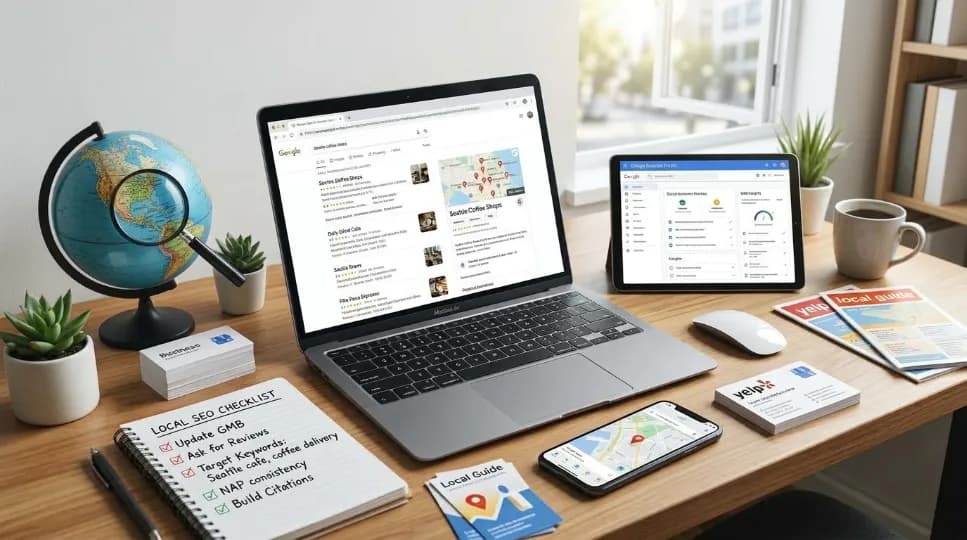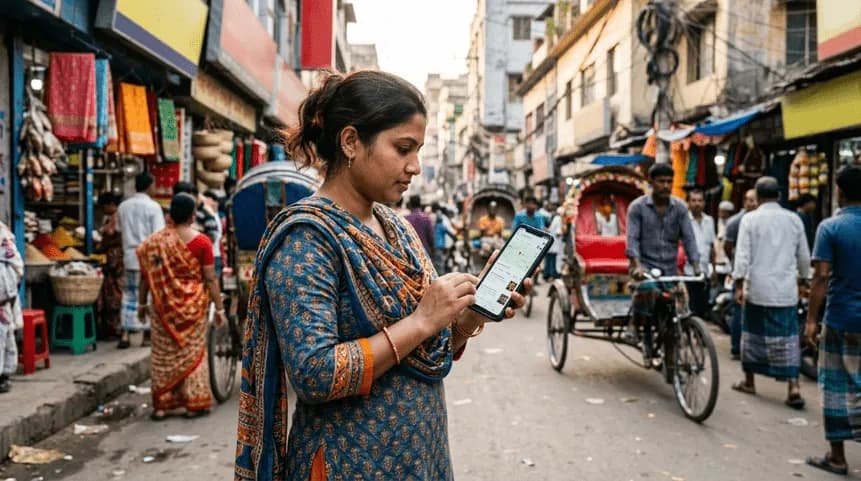
Social Search vs Google Search: The Ultimate Battle for Search Visibility in 2026

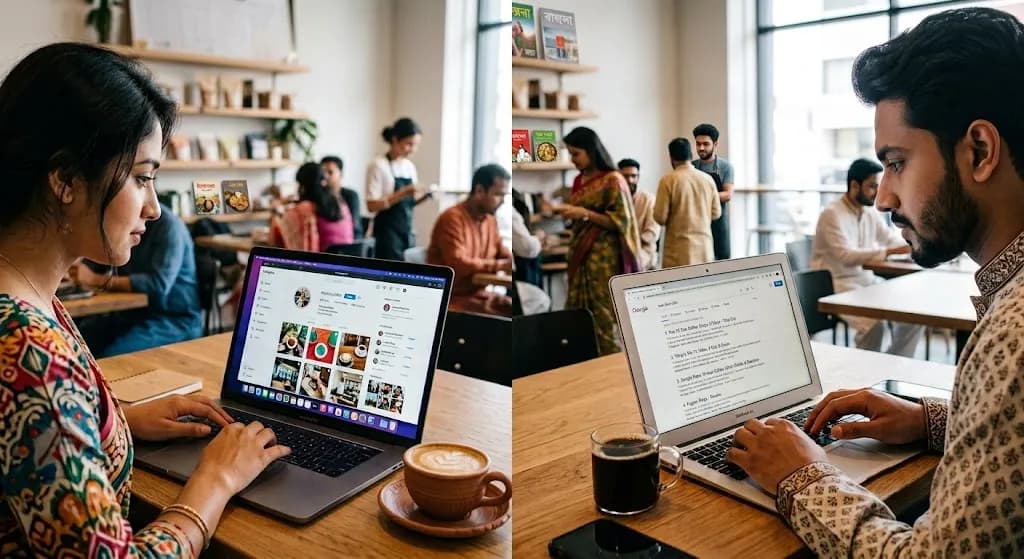
Social search vs Google Search refers to two ways to find information. One uses a social platform's own search bar, like TikTok, Instagram, or Reddit. The other uses Google's traditional web search engine. Google Search is built for facts, prices, and structured answers. Social search is built for real opinions and lived experience shown in video or discussion form. Most people now use both, switching depending on the question.
This guide compares social search vs Google Search in plain terms, so you can build a smarter search marketing plan for your brand.
Quick verdict: Choose Google Search first if your audience researches prices, specs, or how-to answers before buying. Choose social search first if your audience is swayed by video proof, reviews, and real people. Most brands eventually need both, but rarely on day one. The full breakdown, comparison table, and decision framework are below.
Key Takeaways
Social search is growing fastest with younger users who want honest, human answers instead of polished SEO content.
Google Search still wins for high-intent, transactional, and research-heavy queries.
About 40% of Gen Z users say they start certain searches on TikTok or Instagram instead of Google, according to internal Google data reported by TechCrunch in 2022.
Zero-click search results mean brands need visibility beyond the top ten blue links.
The smartest SEO strategy is not picking one system. It is optimizing for both social search engines and traditional search engines at the same time.
What Is Social Search? (And How It Compares to Google)
Social search means using a platform's own search bar to find information, instead of typing your query into Google. Someone looking for "best coffee shop in Austin" might open TikTok. They search that phrase. Then they scroll through short videos of real coffee shops, instead of reading a blog post about them.
This shift didn't happen because Google got worse. It happened because people wanted proof, not promises. A 15-second video of a real customer trying a product often feels more trustworthy than a written review. This is true even when the review is well-researched. This is the heart of social media discovery: watching someone else's experience instead of reading a summary of it.
TikTok made this easier in 2022. That year, it added a bigger, more visible search bar inside the app, a change TikTok's own Newsroom has highlighted as part of its push into search. This signaled a shift: TikTok now treats itself as a search engine, not just a video feed.
In my own work helping content teams plan their editorial calendars, I've watched social search vs Google search play out directly. We once swapped a written "top 10" listicle for a short video walkthrough of the same five products. The video pulled far more saves and comments than the article ever pulled in shares. I didn't expect the gap to be that wide, but it changed how our team briefed writers from that point on.
How Social Search Ranks Content vs Google's Algorithm
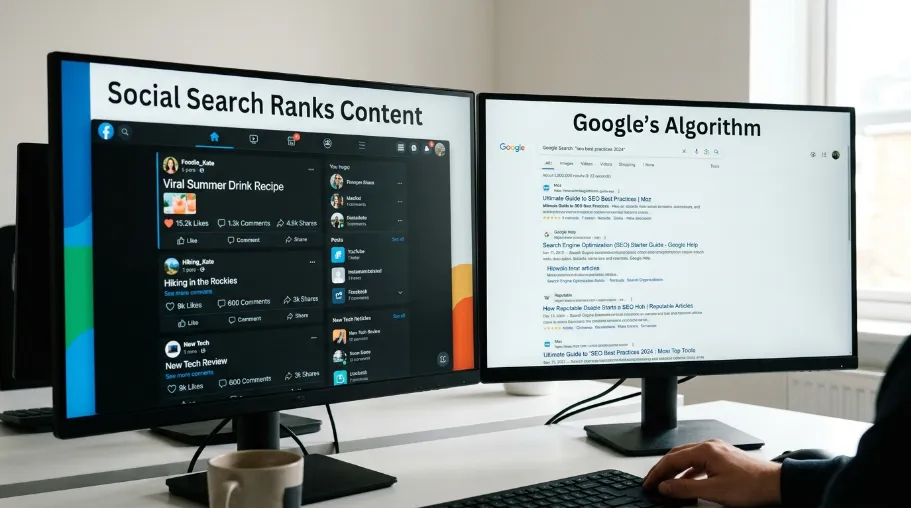
Social platforms rank content using engagement signals such as watch time, comments, saves, and shares. Social Search vs Google Search differs because Google primarily evaluates factors like backlinks, content relevance, and site authority when ranking web pages. These different ranking models explain why the same content can perform very differently across social platforms and Google.
TikTok favors recency, watch-through rate, and trending sounds.
Instagram favors saves and shares over likes.
Reddit and Pinterest favor thread relevance and long-term topical value.
Understanding these signals matters because user search intent looks different on every platform. A Google searcher wants an answer fast. A social searcher often wants a feeling, a face, or a real result they can see with their own eyes.
Instagram has been fairly open about this on Instagram's own blog. Adam Mosseri, the head of Instagram, has said publicly that shares carry more weight than likes. He's explained that shares matter more when the platform decides what to surface in Explore and Reels. That's a good reason to track shares, not just likes, when you measure social media discovery.
What Is Google Search? (And How It Compares to Social Search)
Google Search refers to using Google's engine to crawl, index, and rank web pages. Ranking depends on relevance, authority, and technical quality. It is still the largest search engine in the world. Google handles well over 8 billion searches per day, according to its own reporting from Google Search Central.
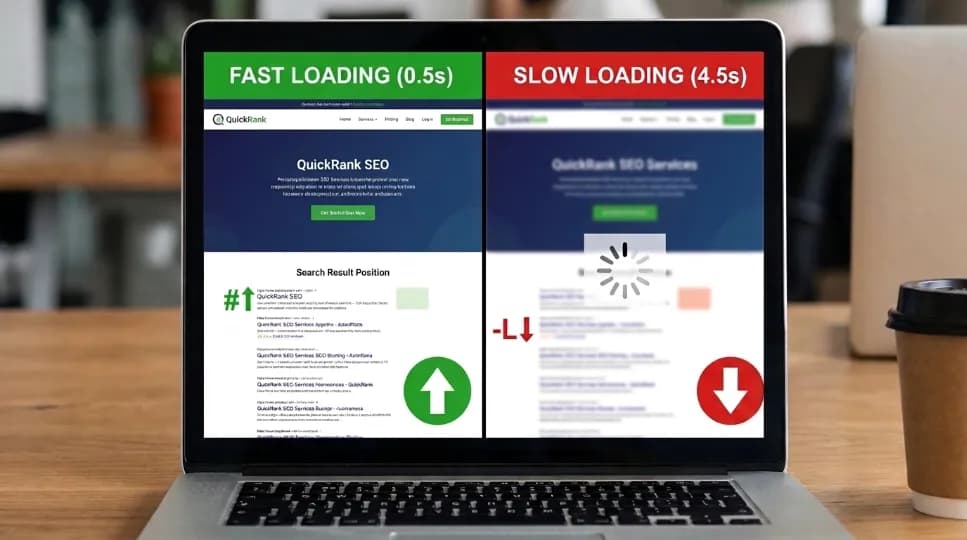
Technical SEO means improving the parts of a website that help search engines read pages. This includes site speed, mobile-friendliness, and clean URL structure. Technical SEO still matters enormously for Google search results. However, it plays almost no role in how content performs on social platforms.
Google has also started pulling social content directly into its own results. In February 2024, Google signed a deal with Reddit worth roughly $60 million a year, a deal widely covered by outlets like Reuters. The deal lets Google better index and surface Reddit threads in regular search results. It's a sign that the line between Google Search and social search is already blurring.
Social Search vs Google Search: Side-by-Side Comparison (Which Wins for You?)
Factor | Google Search | Social Search |
|---|---|---|
Best for | Research, transactions, facts | Recommendations, visual proof, real opinions |
Ranking signals | Backlinks, E-E-A-T, technical SEO | Engagement, watch time, shares |
Content format | Text, structured pages | Short video, images, threads |
Trust factor | Authority and citations | Peer experience and relatability |
Discovery speed | Slower, evergreen | Fast, trend-driven |
Common user | All age groups | Skews younger (Gen Z, younger millennials) |
Why Search Behavior Is Shifting Between Google and Social Platforms
Younger audiences are not ignoring Google. Instead, they are adding a second habit on top of it. First, they Google a product for the specs. Then, they check TikTok to see if it actually works. This back-and-forth in online search behavior is now a normal part of the search experience.
I noticed this firsthand while auditing content strategy for a handful of small business clients last year. Their younger customers weren't ignoring Google. They were layering a second habit on top of it. First, they'd Google a product for the specs. Then, they'd check TikTok for "does it actually work." That pattern showed up in almost every client account I reviewed, regardless of industry.
A few forces are driving this shift in digital search trends:
Distrust of overly optimized content: Many users feel some Google results read like they were written for algorithms, not people.
A visual learning preference: Video shows results. Text only describes them.
Community validation: Comment sections act as instant, crowd-sourced reviews.
Zero-click search growth: As a result, Google increasingly answers questions right on the results page. The research firm SparkToro estimates that more than half of all Google searches now end without a single click. That trend pushes some users toward platforms where they can still interact with real people.
Expert insight: "Brands still treat social platforms like ads channels, not search engines. That's the biggest mistake I see. If a customer searches your product by name on TikTok and finds nothing, you're invisible to them. It doesn't matter how well you rank on Google."
Google Search vs Social Search: Benefits and Challenges Compared
Benefits of Google Search
Long-lasting organic traffic once content ranks well
Higher purchase intent for many transactional queries
Structured data supports featured snippets and AI Overviews
Works well for detailed, research-based topics
Challenges of Google Search
Ranking typically takes months, not days
Zero-click search results can reduce actual site visits
Requires ongoing technical maintenance
Benefits of Social Search
Faster content discovery and viral potential
Builds emotional connection and brand personality
Often reaches younger demographics more effectively
Has a lower barrier to entry than traditional SEO
Challenges of Social Search
Content has a shorter shelf life than a ranked web page
Algorithm changes can be unpredictable
It's harder to measure long-term ROI, compared with organic search traffic
Practical Steps: How to Optimize for Both Google and Social Search
Audit your traffic sources: Check your analytics. See how much traffic comes from organic search traffic versus social media traffic. Do this before you decide where to invest more.
Repurpose long-form content into short video: For example, turn a blog post on search engine optimization basics into a 60-second explainer for a platform's native search. This is a simple form of social search optimization that most teams skip.
Write for featured snippets: Keep direct answers to common questions within the first 40 to 60 words of a section. This article uses that same structure.
Use keywords with intent modifiers: Instead of just "search intent," try phrases like "how to improve search intent" or "search intent guide." This signals exactly what the reader wants.
Track platform keywords separately: Google Search Console and a platform's native analytics measure very different things. So, don't compare them directly.
Common Mistakes When Choosing Between Google and Social Search

Treating social SEO and traditional Google search optimization as the same skill
Ignoring platform search entirely, because "Google is where the real traffic is"
Publishing the same content format everywhere, instead of adapting it per channel
Skipping keyword research on social platforms, where search behavior differs from Google
Relying only on likes as a success metric, when saves and shares are stronger predictors of reach on most platforms
Expert data point: Industry surveys from firms like Search Engine Land have found a pattern. Brands still under-invest in platform-native keyword research, compared to traditional SEO. This happens even though both now shape purchase decisions.
Google's own Search Liaison, Danny Sullivan, has made a similar point in his public posts on the Google Search Central Blog. He argues that no single ranking trick replaces genuinely useful content. That's true whether the content lives on a website or a social platform.
Expert Tips: Getting the Best Results from Both Search Types
Consistency beats intensity. For example, picture a brand posting three well-researched short videos a week. Add one strong Google-optimized article a month. That brand will typically outperform a brand that does either one sporadically.
Additionally, don't ignore AI search as its own emerging category. Thinking in terms of AI search vs Google alone misses the bigger shift: results now get summarized before a reader ever reaches your page. Google rolled out AI Overviews broadly across the U.S. in May 2024, as announced on the official Google Blog. These summarize search results directly on the page. OpenAI launched its own ChatGPT search feature that same year. This means clear, fact-based answers help your visibility across Google, social platforms, and AI search all at once. For more on how large platforms judge content quality, see Google's Search Quality Rater Guidelines.
Social Search vs Google Search: Expert Insights
We asked an experienced search strategist to address two common questions about choosing between Google Search and social search.
Q: Should a small business split its budget between Google and social search?
A: Not necessarily. Start by identifying where your customers actually search before dividing your budget. For many local service businesses, Google remains important because people often use it when they have clear purchase intent. For visually driven products, social platforms such as Instagram and TikTok can play a stronger role in discovery. The right mix depends on your audience, industry, search behavior, and conversion data.
Q: What's one metric brands often overlook?
A: Save rate is particularly useful for evaluating social search content. Likes can indicate quick engagement, but saves show that users found the content valuable enough to revisit. Tracking saves alongside reach, shares, profile visits, website clicks, and conversions gives brands a clearer picture of whether social content is supporting discovery and customer intent.
Practical takeaway: Don't treat Google Search and social search as competing channels. Use performance data to determine where your audience discovers information, compares options, and takes action.
Social Search vs Google Search: Which Is Better for Your Business Type?
Business Type | Better first choice | Why |
|---|---|---|
Local service businesses (plumber, dentist, lawyer) | Google Search | Buyers search with high intent and want fast, factual answers close to them. |
E-commerce / physical products | Social search | Buyers want to see the product in use before they trust it. |
B2B / Software (SaaS) | Google Search | Buyers research specs, pricing, and comparisons in depth before buying. |
Beauty, fashion, food, and travel brands | Social search | These categories thrive on visual proof and peer opinion. |
High-ticket purchases (real estate, cars, finance) | Google Search | Buyers want authoritative, well-researched information, not quick clips. |
Younger-skewing consumer brands | Social search | This audience often starts its search on TikTok or Instagram, not Google. |
Future Trends: Where Google and Social Search Are Headed
Search is no longer a single destination. A single buying decision now often touches Google, a social platform, and an AI chat tool before a purchase happens. This shift is at the heart of social search vs Google search, showing how modern search discovery has changed from a decade ago. Some brands still treat search engine optimization and social media SEO as two separate departments. Brands that treat them as one connected strategy are generally better positioned as this trend continues.
Conclusion: Which Should You Choose, Social Search vs Google Search?
Verdict: There is no single winner in the social search vs Google Search debate. You don't need one. You need the right pick for your specific business. Here's a quick rule to follow: if your buyers research prices, specs, or "how to" answers before they buy, put Google Search first. If your buyers are swayed by visual proof, reviews, and real people showing a product in action, put social search first. As CyberCraft Bangladesh often emphasizes in modern SEO strategies, most businesses need both eventually. But you rarely need both on day one.
Bottom line: start by finding out where your customers already search. See the Practical Steps section above for how. Put your next content budget toward that channel first. Then expand into the second channel once the first is producing results. That is how you turn the social search vs Google Search question into an actual growth plan, instead of a debate.
FAQs About Social Search vs Google Search
Is social search replacing Google Search?
Not entirely. Social search is growing quickly, especially with younger users. However, Google Search still handles far more total queries worldwide. Most people use both, depending on what they need.
Why do people use TikTok or Instagram instead of Google?
Users often prefer social media search results for recommendations, visual proof, and honest opinions from real people. This is especially true for topics like food, travel, beauty, and product reviews.
Does social media help SEO on Google?
Social media doesn't directly boost Google rankings. However, it increases brand visibility, drives traffic, and can lead to backlinks and mentions that indirectly support search engine optimization.
What is zero-click search?
Zero-click search happens when Google answers a query directly on the results page, through a featured snippet or AI Overview. As a result, the user never clicks through to a website.
Should small businesses focus on Google or social search first?
It generally depends on the audience. Businesses targeting younger, visually-driven markets may see faster results from social search. Meanwhile, businesses relying on high-intent, research-based buyers typically benefit more from traditional search engines.
What is visual search?
Visual search lets users search with an image instead of text. Google Lens and Pinterest Lens are two examples. You snap or upload a photo, and the tool finds similar products, places, or information based on it.

I’m Mitu Das, a JavaScript developer, ERP product architect, and SEO specialist from Bangladesh. I work at CyberCraft Bangladesh, where I help build simple, scalable software, SaaS platforms, and business solutions. My goal is to create technology that helps companies save time, automate daily tasks, and grow faster. I enjoy combining development, product ideas, and SEO strategies to create useful digital solutions for modern businesses.
Writes about
Want this done for you?
Our team builds and ships exactly what this article describes. Send a message and we will reply with a scope.