Automated Branding in 2026: Stop Managing, Start Systemizing

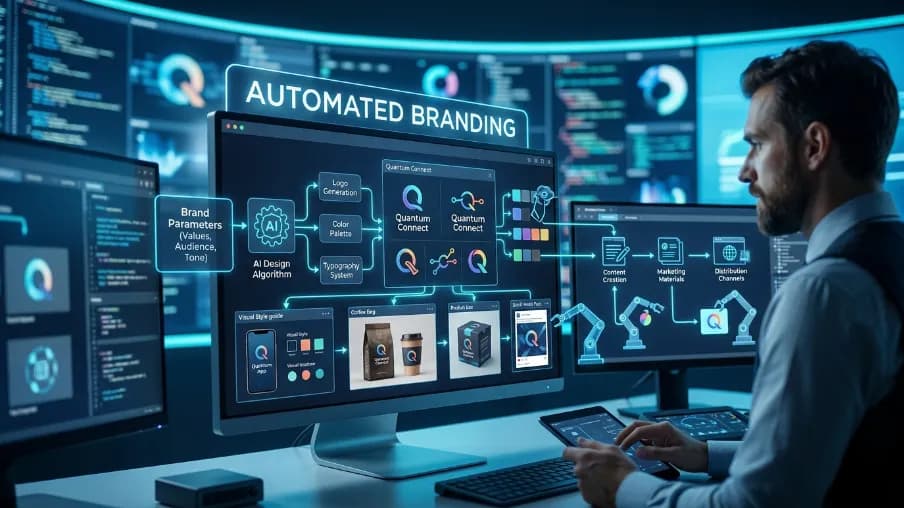
Maintaining a consistent brand across every channel, every campaign, and every team member is one of the most exhausting parts of running a modern business. I've seen it happen over and over: you spend weeks nailing your brand guidelines, then watch different designers, writers, and regional teams slowly drift away from them. Colors get tweaked. Fonts get swapped. The tone shifts. And before you know it, your brand looks like five different companies talking over each other.
I get it because I've been there too. And that's exactly why I wanted to write this guide.
Automated branding has become one of the most searched and most misunderstood topics in marketing right now. You'll find plenty of articles covering marketing automation software for email or lead generation, but very few actually dig into how to automate your brand itself: the visuals, the voice, the consistency, and the identity that make people recognize and trust you.
So I'm going to walk you through everything I know about automated branding. What it actually means. How the best brands are using it right now. Which tools are worth your time in 2026? And how to build a marketing automation team that keeps your brand tight without burning everyone out. Whether you're a solo founder, a growing startup, or managing an enterprise with hundreds of locations, what I'm sharing here will give you a practical path forward.
What Is Automated Branding
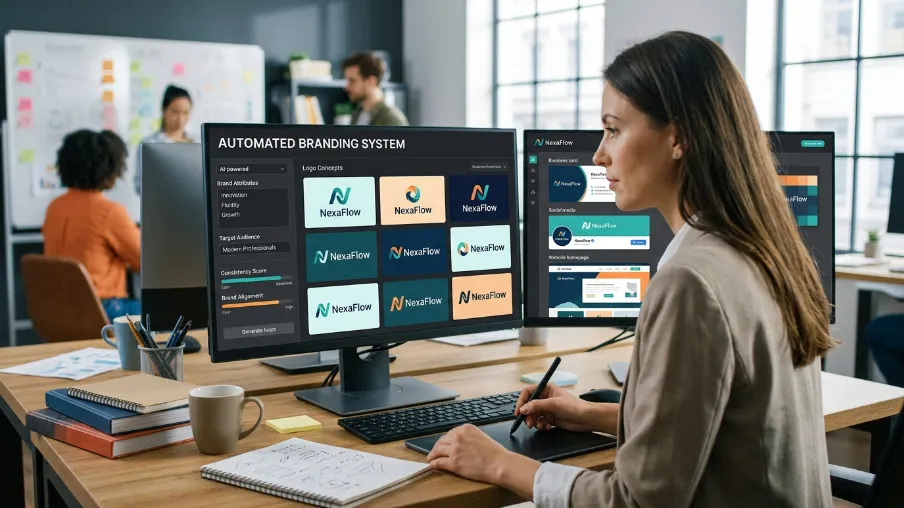
Automated branding is the use of AI, software, and intelligent workflows to maintain, produce, and distribute brand-consistent content without needing manual oversight at every single step.
Notice I said maintain and produce not just create. That's an important distinction. Most people think of branding as a one-time design project: build a logo, pick some colors, write brand guidelines, done. But a brand lives and breathes every day across social media posts, ad creatives, email campaigns, sales decks, website copy, packaging, and more. Keeping all of that aligned manually is nearly impossible at scale.
Automated branding closes that gap. It uses tools that understand your brand rules and apply them automatically so whether your social media manager in Dhaka or your agency partner in London is producing content, it all looks and sounds like you.
The market for this is exploding right now, and honestly, it makes sense. In 2026, AI is no longer just a content creation shortcut it's becoming the engine of the entire brand operation.
Why Automated Branding Is the Biggest Market Gap in Marketing Right Now
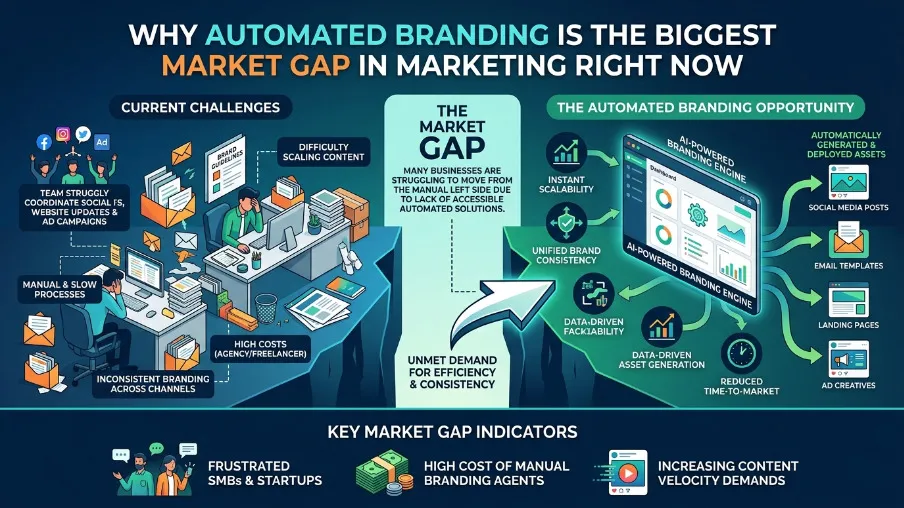
Here's something I find fascinating: if you search for "marketing automation," you get thousands of articles about email sequences, lead nurturing, and CRM workflows. Those are important. But the brand side the visual identity, messaging consistency, tone of voice is barely covered.
That's the market gap. And it's a painful one.
Think about what happens when a brand grows beyond a single team. Suddenly you have multiple designers, multiple writers, multiple agencies, and multiple time zones all producing content. Without automation, your options are: hire an army of brand police to review everything, or watch your identity slowly become incoherent.
The companies filling this gap in 2026 are doing something smart. They're treating brand consistency as an automated system, not a manual review process. They're setting up AI-driven guardrails so every asset produced whether it's a social post, an ad, or a sales deck is checked and aligned before it goes out the door.
This approach is now being described by enterprise marketing teams as a shift from "reactive brand management" to "proactive brand governance." And the results are significant: faster content production, fewer revision cycles, and stronger audience trust.
Core Components of an Automated Branding System
If you're building or upgrading your automated branding setup, there are four core components you need to get right.
1. A Living Brand Kit Not a Dead PDF
The biggest mistake I see brands make is storing their brand guidelines in a PDF that nobody reads. In an automated branding system, your brand kit is a live, connected data source. It holds your logos, color palettes, typography, tone of voice guidelines, image styles, and approved templates and it feeds directly into every tool your team uses.
Platforms like Canva, Venngage, and brand.ai let you create centralized brand kits that automatically apply to any new content your team creates. When someone opens a template in Canva, your brand colors and fonts are already there. They can't accidentally use the wrong shade of blue because the system doesn't offer it. That's powerful.
2. AI-Driven Asset Generation Aligned to Your Brand
The second component is the ability to generate on-brand assets at speed. In 2026, tools like Adobe Firefly, Logo Diffusion, and Typeface can create marketing visuals, ad creatives, and design assets that stay true to your brand guidelines from the very first draft not after five rounds of revisions.
What makes these tools different from generic AI image generators is that they learn your brand. They're trained on your approved assets, your visual style, and your specific rules. The result is that AI-generated content stops looking generic and starts looking like your brand.
3. Real-Time Brand Monitoring and Compliance
This is where automated branding gets really powerful. Advanced platforms now offer real-time monitoring meaning every asset produced by your team is automatically checked against your brand guidelines before it's published.
AI checks colors, logos, fonts, spacing, and even the tone of written copy. If something is off, the system flags it instantly and suggests a fix. This replaces the old model where a brand manager had to manually review hundreds of pieces of content. Instead, the AI handles the routine checks, and your human team focuses on strategic decisions.
4. Scalable Workflow Automation for Your Marketing Team
The fourth component connects your brand system to your marketing automation workflows. This means your content creation, approval, scheduling, and distribution all run through a connected pipeline where brand rules are enforced at every step.
For a marketing automation team, this is a game changer. Instead of chasing down approvals and manually checking if the latest social post uses the right font, the workflow handles it automatically. Your team spends time on what actually matters: strategy, creativity, and customer relationships.
Best Brands for Automation: What the Leaders Are Actually Doing
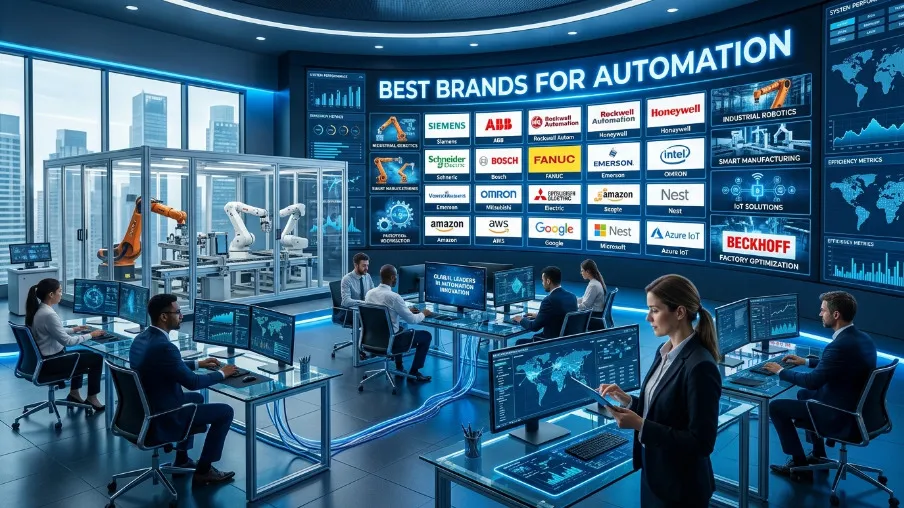
Let me share what the most effective brands are doing in 2026, because there are real lessons here.
The brands winning at automated branding are not the ones with the biggest budgets they're the ones with the clearest systems. A mid-size D2C brand I've studied integrated predictive AI into their full marketing funnel, using behavior-based lead scoring alongside automated email sequences that adapt in real time. Their brand voice stayed consistent because every piece of output was run through an AI layer trained on their approved content before delivery.
Enterprise brands managing hundreds of locations face an even steeper challenge. When you have 200 stores and thousands of reviews, social posts, and local campaigns being produced simultaneously, manual brand checks become impossible. The solution is AI-driven publishing agents that analyze your top-performing content, understand your brand voice, and generate on-brand material automatically for every location, every time.
Adobe's Brand Intelligence system is one of the most sophisticated examples. It builds what they call a "brand ontology" essentially a structured AI model of your brand that goes far beyond static guidelines. It learns from every approval and rejection your team makes, so the system gets smarter about your specific brand over time. That's not a future concept it's available today for enterprise teams.
For smaller businesses and startups, tools like uBrand and BrandCrowd offer a much more accessible version of the same idea: you input your brand identity once, and the AI applies it automatically across logos, social posts, business cards, and templates. The consistency is built in from day one.
Marketing Automation Requirements: What You Need Before You Start
Before you invest in any marketing automation software or automated branding platform, there are non-negotiable prerequisites that will determine whether your setup actually works.
Defined brand guidelines: You cannot automate what hasn't been defined. Before any AI can enforce your brand, you need a documented visual identity: color palette, typography, logo usage rules, photography style, and brand voice guidelines. If your current guidelines are vague or outdated, fix that first.
First-party data infrastructure: In 2026, with third-party cookies deprecated and privacy regulations tightening globally, your automation effectiveness depends on the quality of your own customer data. Your email lists, behavioral data, purchase history, and on-site engagement signals are the fuel that makes personalized automated branding possible.
Clean content architecture: Your existing assets need to be organized and tagged before an AI can use them effectively. This means building a Digital Asset Management (DAM) system where every logo, image, template, and video is categorized by use case, channel, and brand compliance status.
A governance framework: Automation doesn't mean "set and forget." You need human oversight points built into your workflow, especially for high-stakes campaigns. Define who reviews what, when, and at which stage of the process.
The right marketing automation team: I'll expand on this below, but the people running your automated branding system matter enormously.
Building Your Marketing Automation Team for Automated Branding
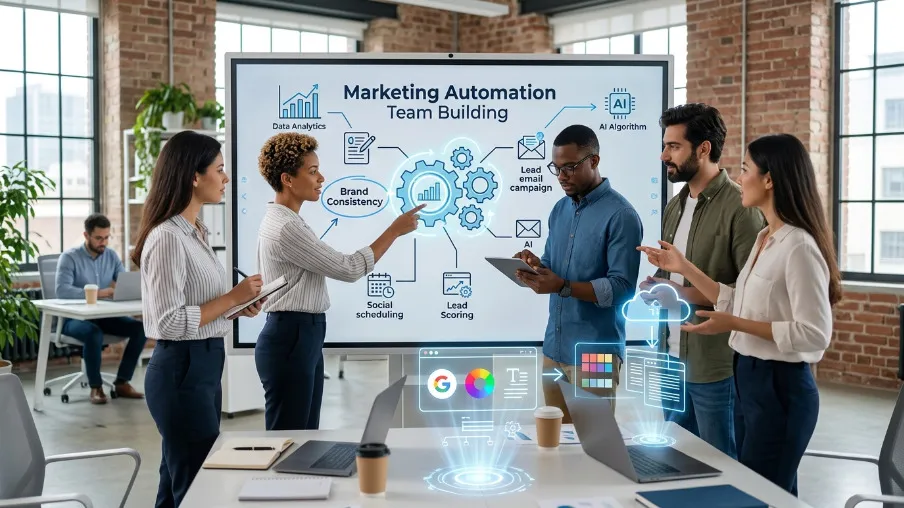
This is the part most brands get wrong. They invest in the tools but not the team. And then they wonder why the automation isn't delivering results.
A solid marketing automation team for an automated branding setup typically needs a few key roles, though in smaller organizations these can be combined across fewer people.
You need someone who owns the brand strategy the human who defines what the brand stands for and what guardrails the AI must operate within. This person isn't replaced by automation; they become more important because they're setting the rules the system follows.
You need someone who manages the marketing automation software the technical implementer who builds workflows, connects integrations, and monitors system performance. In 2026, this role increasingly requires understanding of AI models and data pipelines, not just drag-and-drop workflow builders.
You need a content creator or creative strategist who works alongside the AI reviewing outputs, training the system on feedback, and escalating anything the AI flags as uncertain. The best automation outcomes in 2026 still have a human in the loop for judgment, ethics, and creative direction.
And for larger organizations, you need a brand compliance lead someone whose specific job is to audit the automated system regularly, update the brand ontology as the brand evolves, and ensure the AI is learning in the right direction.
Best Marketing Automation Software and Tools for Branding in 2026
Let me give you a practical breakdown of the tools worth considering, organized by use case.
For brand kit management and consistent asset creation: Canva (with its Brand Kit feature) remains the most accessible option for teams of all sizes. Its AI Magic tools now generate content that automatically pulls from your stored brand elements. For enterprise needs, Venngage and Lucidpress offer more powerful governance features for managing multiple brand kits across large teams.
For AI-driven visual asset generation: Adobe Firefly is the most powerful option if you're already in the Adobe ecosystem. It generates marketing visuals from prompts while respecting your brand training data. Logo Diffusion is a strong specialist tool for logo and visual identity work. Typeface is worth exploring for enterprise teams who want deep brand governance baked into every generated image.
For workflow automation connecting your brand system to your marketing pipeline: HubSpot remains the gold standard for B2B teams, combining CRM, marketing automation, and content workflows in one platform. For more complex cross-platform orchestration, Make (formerly Integromat) offers flexibility that simpler tools like Zapier can't match.
For brand monitoring and compliance: Brand.ai is one of the most interesting platforms emerging in this space it goes beyond templates to actually understand your brand strategy, analyze competitive positioning, and maintain governance across all content. Adobe Brand Intelligence is the enterprise option for organizations that need deep AI-driven compliance at scale.
For automated branding in manufacturing and physical product contexts: Automation in manufacturing now extends to brand asset preparation generating packaging templates, product imagery, and technical marketing materials that stay aligned with brand standards across production runs. Tools that integrate with PLM (Product Lifecycle Management) systems are becoming increasingly important for brands that produce physical products.
Marketing Automation Lead Generation Through Branded Funnels
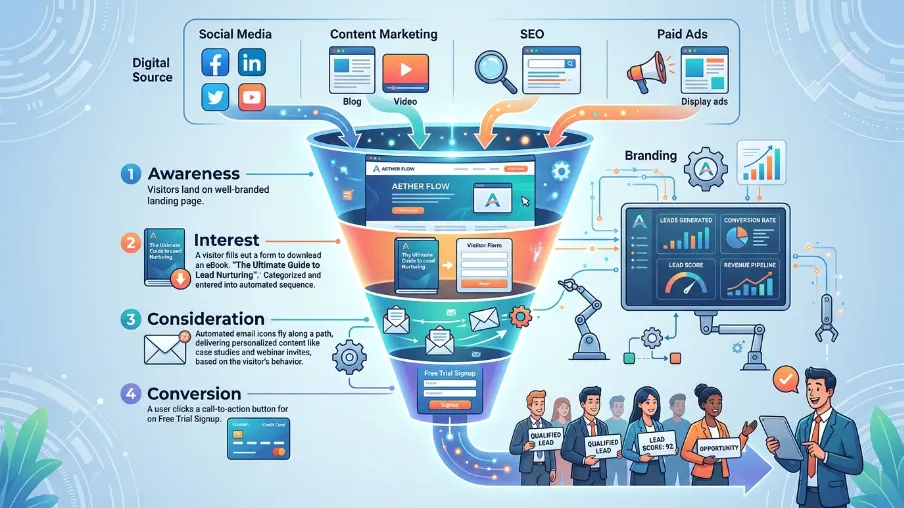
One area where automated branding and lead generation intersect powerfully is in branded funnel design. A consistent brand experience across every touchpoint in your funnel from the first ad a prospect sees, through the landing page, the email sequence, and the sales conversation dramatically improves conversion rates and strengthens your overall digital growth strategy.
Marketing automation lead processes work significantly better when the brand experience is seamless. When someone clicks an ad, arrives at a landing page, and receives follow-up emails that all look, feel, and sound like the same brand, trust builds faster. When those experiences are inconsistent different colors, different tone, different messaging doubt creeps in and conversions drop.
Automated branding solves this by ensuring every asset in your funnel is generated from the same brand system. Your ad creative, your landing page template, your email design, and your sales deck all inherit the same visual rules and tone of voice guidelines automatically. The result is a funnel that feels intentionally designed end to end because it is, creating a stronger customer journey and a more effective digital growth strategy.
Conclusion: Your Brand Deserves a System, Not Just a Style Guide
Here's what I want you to take away from everything we've covered: your brand is too important to leave to chance and too complex to manage entirely by hand.
Automated branding isn't about replacing the creativity and human judgment that make your brand unique. It's about building the system that protects and scales that uniqueness as your business grows. The brands that win in 2026 aren't the ones with the most talented designers they're the ones with the best-designed systems backing up those designers.
Start where you are. If you're a solo founder, set up a proper brand kit in Canva today. If you're scaling a team, evaluate a marketing automation software stack that includes brand governance, not just email workflows. If you're an enterprise, it's time to look seriously at AI-driven brand intelligence platforms that can manage compliance across your entire content supply chain.
The market gap around automated branding is real and the brands that close it for themselves first will build a compounding advantage that's very hard for slower competitors to overcome.
Ready to start? Begin with your brand kit. Lock down your guidelines. Then build the automation layer on top of a clear, solid brand foundation. That's the sequence that works.
Frequently Asked Questions About Automated Branding
What is automated branding, and how is it different from regular marketing automation?
Regular marketing automation typically refers to scheduling and sending communications emails, social posts, ad campaigns based on triggers and rules. Automated branding goes a layer deeper: it ensures that every piece of communication produced by those systems is visually and tonally consistent with your brand identity. It's the combination of brand governance tools and marketing automation workflows.
Do I need a large team or budget to start with automated branding?
Not at all. Tools like Canva, uBrand, and BrandCrowd give small teams and solo founders access to automated brand consistency at very low cost. The key is setting up your brand kit properly at the start. Even a one-person business can have AI-enforced brand consistency across all their content with the right setup.
How do I maintain a human brand voice when using AI to generate content?
The best approach is to train your AI tools on your existing approved content. The more examples of your actual brand voice you feed into the system, the more accurately it replicates that voice in new outputs. Always keep a human review step for high-visibility content. And regularly audit AI outputs for "drift" where the AI gradually starts sounding more generic over time.
What are the biggest risks of automated branding?
The main risks are over-automation (where the brand starts feeling robotic and templated), privacy compliance issues (if your personalization draws on data you don't have consent to use), and model drift (where AI outputs gradually move away from your brand standards without anyone noticing). All of these are manageable with proper governance and regular human oversight.
Is automated branding relevant for businesses outside of digital marketing like manufacturing?
Yes. Automation in manufacturing now increasingly includes brand asset automation particularly for packaging design, technical documentation, product photography, and trade marketing materials. Brands with physical products benefit from the same principles: centralized brand kits, AI-driven asset generation, and workflow automation that ensures every produced asset meets brand standards.

I’m Mitu Das, a JavaScript developer, ERP product architect, and SEO specialist from Bangladesh. I work at CyberCraft Bangladesh, where I help build simple, scalable software, SaaS platforms, and business solutions. My goal is to create technology that helps companies save time, automate daily tasks, and grow faster. I enjoy combining development, product ideas, and SEO strategies to create useful digital solutions for modern businesses.
Writes about